Ingredient solutions for food & beverage manufacturers: benefits and supplier selection
AIG
23/11/2026
The food and beverage industry faces growing pressure to secure reliable ingredients, optimize production costs, and develop products that meet evolving consumer expectations. Ingredient solutions offer an integrated approach that combines ingredient sourcing, formulation expertise, technical support, and supply chain capabilities. Through its ecosystem of research, manufacturing, distribution, and logistics, Asia Ingredients Group (AIG) delivers comprehensive ingredient solutions to support manufacturers across Asia.
Key Takeaways
Ingredient solutions combine raw materials, formulation expertise, technical capabilities, and supply chain management to address complex manufacturing challenges.
Rising input costs, currency volatility, changing consumer preferences, and stricter quality requirements are reshaping ingredient sourcing strategies across Asia.
AIG integrates regional agricultural sourcing, advanced processing, research and development, international quality standards, and logistics infrastructure to support food and beverage manufacturers.
Ingredient solutions go beyond supplying individual raw materials by integrating ingredient sourcing, formulation expertise, technical support, and supply chain management. This approach helps food and beverage manufacturers address specific challenges, including sugar reduction, clean-label formulation, shelf-life optimization, and production efficiency.
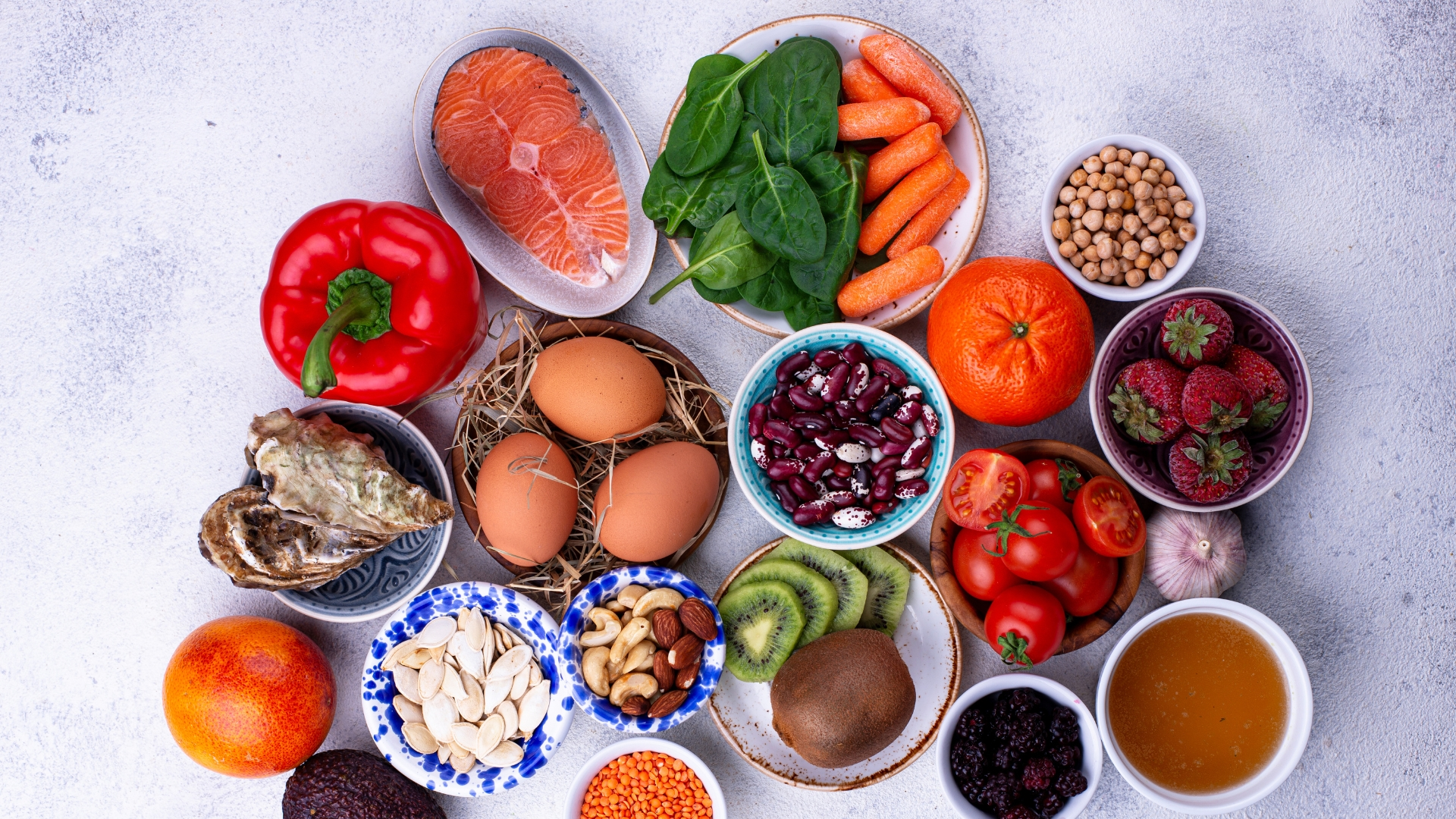
Ingredient solutions for manufacturers combine sourcing, formulation and technical support in one program
While established ingredient solutions providers such as Ingredion, Corbion, and Scoular have strong roots in North America and Europe, Asia offers distinct advantages in tropical agricultural resources. With access to coconut, aloe vera, and cassava supply chains in Vietnam, AIG is positioned to develop regionally sourced, value-added ingredient solutions for manufacturers across Asia.
According to Fortune Business Insights, the global food ingredients market was valued at USD 286.65 billion in 2025 and is projected to reach USD 487.51 billion by 2034, growing at a CAGR of 6.14%. Asia Pacific accounted for approximately 34% of the global market in 2025, highlighting the region’s importance in ingredient production and innovation.
2. Why Do Food & Beverage Manufacturers Need Ingredient Solutions?
Food and beverage manufacturers operate in an environment where ingredient prices, international trade conditions, consumer preferences, and regulatory requirements can change rapidly. These pressures affect not only procurement decisions but also product formulation, manufacturing efficiency, and long-term competitiveness. Integrated ingredient solutions help businesses address these interconnected challenges by combining ingredient selection with technical expertise, sourcing flexibility, and supply chain support.
2.1. Rising raw material and logistics costs
In early 2026, Vietnam’s food industry faced mounting cost pressures, with domestic and imported raw material prices reportedly rising by 50–60% in some cases. At the Fi Vietnam 2026 press conference, Ly Kim Chi, Chairwoman of the Food and Foodstuff Association of Ho Chi Minh City (FFA), highlighted the financial strain on manufacturers seeking to maintain competitive prices and market share.
Meanwhile, disruptions along international shipping routes through the Middle East have increased logistics costs and supply chain uncertainty. These combined pressures are forcing manufacturers to absorb higher expenses and accept narrower profit margins, reinforcing the need for more efficient ingredient sourcing and production strategies.
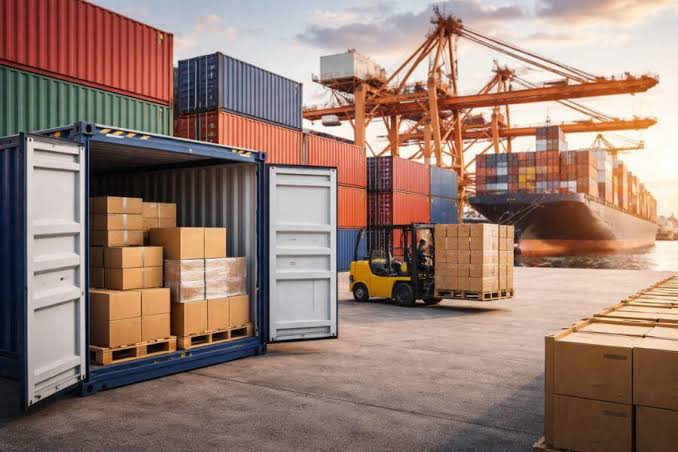
Rising raw material costs and shipping disruptions push food makers toward ingredient solutions
2.2. Currency risk from import dependency
Vietnam’s food and related manufacturing industries remain dependent on imported raw materials, including ingredients and inputs for animal feed production. With many international transactions denominated in US dollars, exchange-rate fluctuations can directly increase procurement costs and affect product pricing.
This dependency exposes manufacturers to additional financial uncertainty, particularly when import prices increase while the Vietnamese dong weakens against the US dollar. Diversifying ingredient sources and expanding access to locally processed materials can help businesses manage these risks more effectively.
2.3. Shift from “low-cost” to “value-added” competitiveness
Vietnam’s food industry has traditionally relied on cost advantages to compete in domestic and international markets. However, rising production expenses are weakening this model, encouraging manufacturers to prioritize product quality, innovation, and higher-value processing.
Across the region, businesses are increasingly investing in advanced processing technologies and value-added ingredients rather than competing primarily on price and production volume. This transition creates opportunities to improve product differentiation and strengthen competitiveness in international markets.
2.4. Certification and traceability burden, especially for SMEs
The shift toward advanced processing and sustainable manufacturing requires greater investment in quality control, certification, and traceability systems. Stricter food safety and traceability requirements in Vietnam add financial and operational pressure, particularly for small and medium-sized enterprises (SMEs) with limited resources.
According to the Global Ingredients Market 2025 report, the global ingredients market was valued at approximately USD 205.8 billion in 2025 and is projected to reach USD 397.5 billion by 2034, growing at a CAGR of 7.6%. Growth is supported by increasing demand for clean-label, plant-based, and functional ingredients, alongside the need for formulation innovation to meet evolving consumer expectations.
These developments are shifting manufacturers’ priorities from purchasing individual ingredients toward integrated Ingredient Solutions. By combining formulation expertise, nutritional functionality, sensory performance, product stability, and production efficiency, these solutions help businesses address multiple manufacturing requirements within a coordinated approach.
3. What Makes an Effective Ingredient Solutions Partner?
Selecting an ingredient solutions partner requires evaluating more than product availability and pricing. For food and beverage manufacturers, four capabilities are essential to addressing sourcing risks, production requirements, and evolving international standards:
Regional Sourcing Capabilities: Access to local agricultural resources and diversified supply networks helps reduce import dependency, manage currency exposure, and improve sourcing flexibility.
Advanced Processing and Value-Added Manufacturing: Industrial processing capabilities transform raw materials into standardized, functional ingredients that support product quality and differentiation.
International Certifications and Traceability: Established quality management systems, relevant certifications, and traceability processes support regulatory compliance and reduce the burden of managing supplier documentation.
Formulation Expertise and Technical Support: R&D capabilities help manufacturers optimize formulations, improve product performance, and address technical challenges throughout product development.
An effective partner integrates these capabilities into a coordinated solution, supporting manufacturers beyond individual ingredient transactions.
4. AIG: An Integrated Ingredient Solutions Ecosystem for Asia
Asia Ingredients Group (AIG) is a leading Vietnamese group specializing in natural ingredient production and comprehensive ingredient solutions for the life sciences industry. With an integrated ecosystem of more than eight member companies, AIG connects agricultural sourcing, advanced manufacturing, R&D, ingredient distribution, and logistics to support food and beverage manufacturers across Asia. Our integrated capabilities help businesses address supply chain challenges while developing value-added products that meet evolving market requirements.
4.1. Domestic sourcing advantage
AIG leverages Vietnam’s agricultural resources, particularly coconut, aloe vera, cassava, and tropical fruits, to strengthen regional ingredient sourcing and processing. Through member companies such as Asia Coconut Processing (ACP) and Mekong Delta Gourmet (MDG), we transform locally sourced materials into ingredients for industrial food and beverage applications.
This regional production base provides manufacturers with additional sourcing options, reducing reliance on certain imported materials and third-party suppliers. Combined with our international ingredient distribution network, it supports greater procurement flexibility and supply chain diversification.
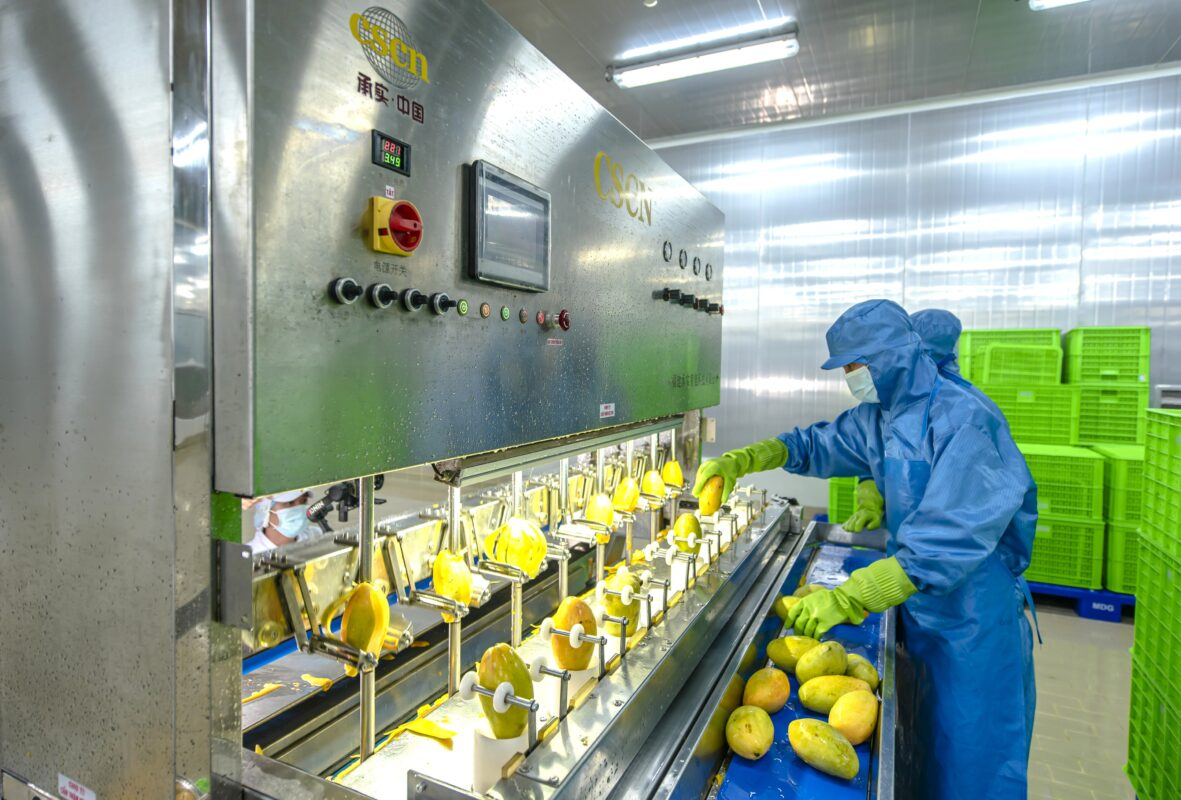
AIG ingredient solutions for manufacturers link local sourcing, processing and production in Vietnam
4.2. Deep Processing and R&D: Turning Raw Materials into Value-Added Ingredients
AIG combines industrial processing technologies with research and development to transform agricultural materials into higher-value ingredients. Our capabilities include UHT processing, spray drying, and tropical fruit processing, supporting products such as coconut milk, coconut milk powder, fruit purees, concentrates, and frozen fruits.
Through the Innovation and Application Center, we connect ingredient development with technical evaluation and industrial applications. This integrated approach helps manufacturers improve ingredient functionality, product consistency, and processing efficiency.
4.3. Internationally Recognized Certifications and Traceability
Quality assurance and traceability are integral to AIG’s ingredient manufacturing ecosystem. Relevant facilities and products operate under recognized food safety management standards and certification schemes, including ISO 22000, HACCP, FSSC 22000, Halal, and Kosher, according to their applicable certification scope.
Our established quality management and documentation processes help manufacturers evaluate ingredient suitability and meet customer or export-market requirements. This reduces the complexity of supplier qualification, particularly for SMEs with limited internal resources.
AIG integrates manufacturing and distribution with a logistics network comprising five centers and approximately 66,514 pallet positions. Our infrastructure includes ambient, chilled, and frozen storage facilities to accommodate different ingredient handling requirements.
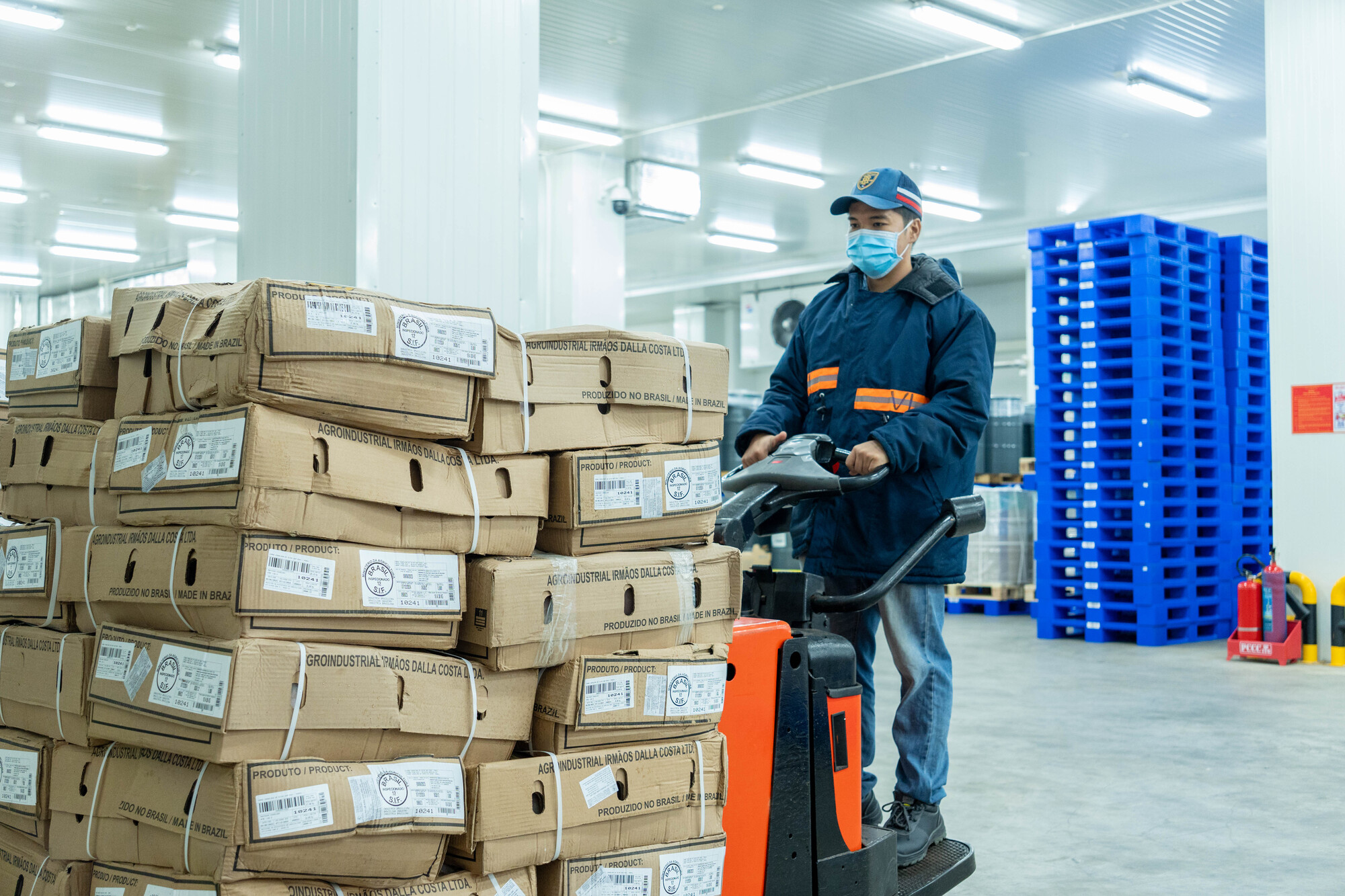
Pallet storage in AIG’s logistics network that backs its ingredient solutions
Warehouse management systems and automation technologies, including Forklift Mobile Robots (FMRs), support inventory coordination and material handling. These capabilities help manufacturers improve supply planning, maintain appropriate storage conditions, and respond more effectively to changing production requirements.
4.5. Formulation support aligned with global consumer trends
Growing demand for clean-label, plant-based, and functional food products requires manufacturers to balance nutritional value, sensory characteristics, and processing performance. AIG combines specialized ingredients with formulation expertise to support product development across beverages, dairy, bakery, confectionery, and processed foods.
Through our Innovation and Application Center, we support ingredient selection, formulation optimization, and application development. This enables manufacturers to develop differentiated products while considering stability, production efficiency, and evolving consumer preferences.
5. FAQs
5.1. What are ingredient solutions and how are they different from raw ingredient supply?
Ingredient solutions combine ingredient sourcing, formulation expertise, technical support, and supply chain management. Unlike conventional raw material supply, they address specific manufacturing challenges involving product functionality, quality, stability, and production efficiency.
5.2. Why are food and beverage manufacturers in Vietnam facing rising ingredient costs in 2026?
Manufacturers face combined pressures from higher raw material prices, logistics disruptions, and exchange-rate fluctuations affecting imported ingredients. These factors increase production costs and narrow profit margins, encouraging businesses to diversify sourcing and optimize formulations.
5.3. Can small and medium businesses access integrated ingredient solutions like AIG’s?
Yes. SMEs can explore AIG’s ingredient portfolio, technical expertise, and supply chain capabilities based on their product requirements and production scale. Available solutions and support arrangements are determined by each project’s technical and commercial needs.
5.4. How does AIG help partners reduce currency and supply chain risk?
AIG combines domestic agricultural processing, international ingredient distribution, and integrated logistics infrastructure to diversify sourcing options. These capabilities help manufacturers reduce dependence on individual supply sources and manage certain procurement and operational risks.
5.5. How can a business start working with AIG as an ingredient solutions partner?
Businesses can contact AIG with their ingredient specifications, product applications, production volumes, and target markets. Our team will assess their requirements and explore suitable ingredients, formulation support, and supply arrangements.
As food and beverage manufacturers navigate rising costs, supply chain disruptions, and evolving market demands, integrated Ingredient Solutions play an increasingly important role in strengthening competitiveness. Combining reliable sourcing, advanced processing, and formulation expertise enables businesses to improve product quality, optimize operations, and develop higher-value products.
With an integrated ecosystem spanning manufacturing, R&D, distribution, and logistics, Asia Ingredients Group (AIG) delivers comprehensive ingredient solutions tailored to the needs of manufacturers across Asia. Contact AIG to explore ingredient solutions that support your product innovation and long-term business growth.
Asia Ingredients Group (AIG) – A leading group in Vietnam in the production of natural ingredients and the provision of comprehensive ingredient solutions for the life sciences sector.
What are food ingredients? Roles, applications and food ingredient solutions from AIG
According to the Food Processing Ingredients Annual report by the U.S. Department of Agriculture (USDA, April 2026), Vietnam’s food processing industry continues to grow strongly, driving increasing demand for food ingredients. These are the components that shape the texture, flavor, sensory properties and nutritional value of food. Asia Ingredients Group (AIG) is a manufacturer of [...]
09/11/2026
Research and Development
What is Yeast Protein? A next-generation protein solution for the sustainable food industry
The growth of high-protein foods is expanding demand for new protein sources that offer nutritional value and versatile applications. Yeast Protein derived from Saccharomyces cerevisiae yeast is one of the ingredients attracting attention thanks to its protein foundation, sensory properties and sustainable production approach. Asia Ingredients Group (AIG) provides Yeast Protein solutions, combined with applied [...]
08/11/2026
Research and Development
What are nutrition ingredients? Nutritional ingredient solutions from AIG
Nutrition Ingredients are increasingly used in foods, beverages and nutritional products thanks to their ability to add nutritional value and support formulation development. Asia Ingredients Group (AIG) supplies a range of nutrition ingredient groups backed by research, application and supply capabilities, helping businesses choose the right solutions for their product goals. Key takeaways: Nutrition Ingredients [...]
10/10/2025
Events
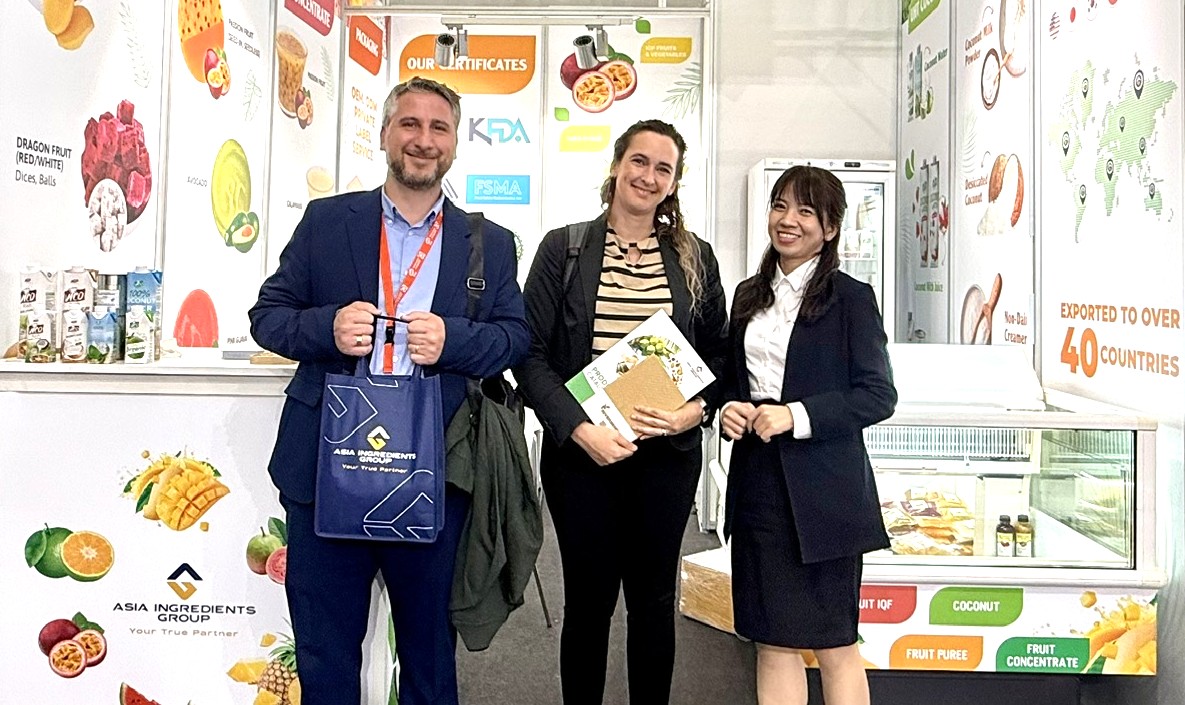
AIG showcases Vietnamese agri-food excellence at Anuga 2025, expanding its presence in Europe
From October 4 to 8, 2025, Asia Ingredients Group (AIG) took part in Anuga 2025 in Cologne, Germany. This marked the company’s third time joining Vietnamese exhibitors at one of the world’s most prestigious and influential food and beverage trade fairs. Bringing together more than 7,800 exhibitors from 118 countries and attracting over 160,000 international [...]
26/09/2025
Events
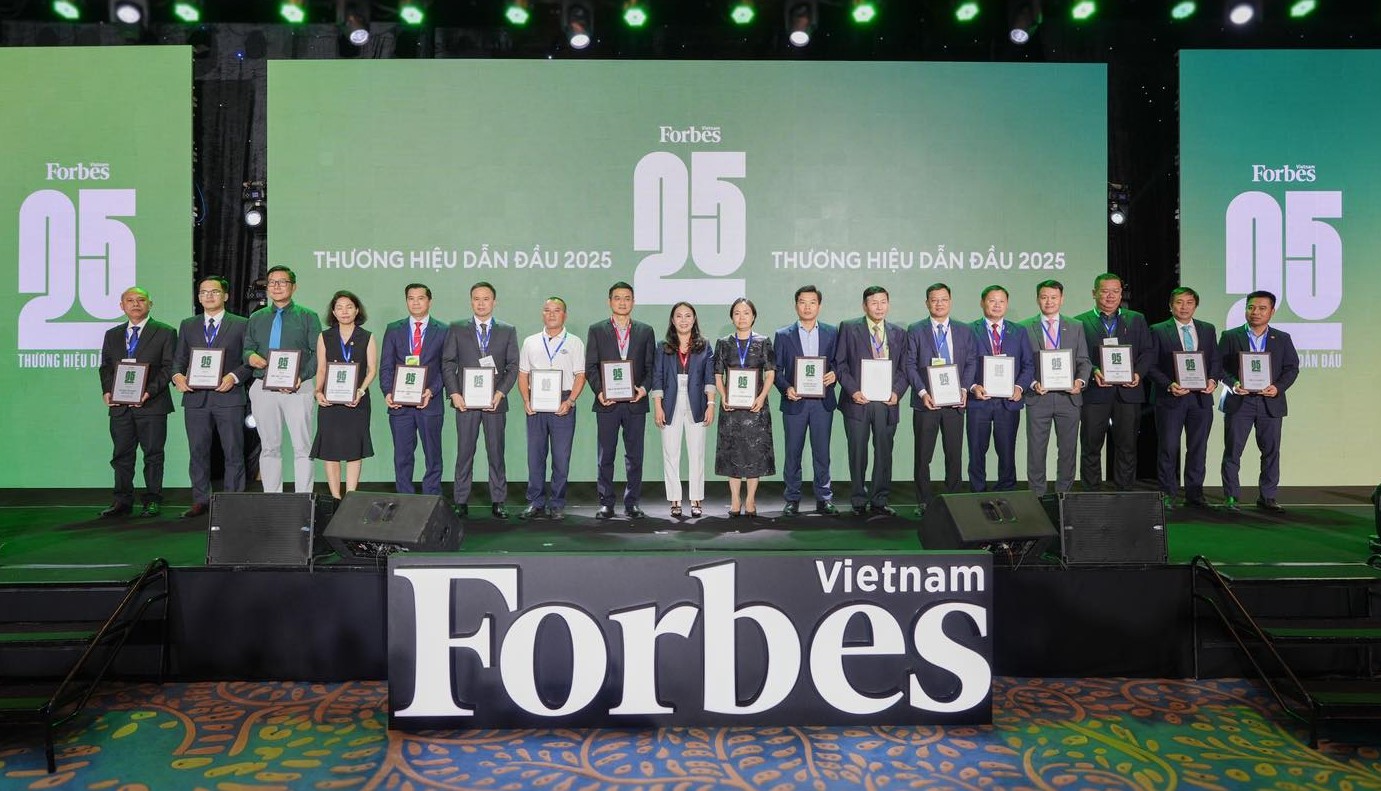
AIG Honored Among Vietnam’s Top 25 Leading Brands 2025
On September 25, 2025, Asia Ingredients Group (AIG) was proudly recognized among the Top 25 Leading Brands of 2025 in the manufacturing and services sector, a key pillar of Vietnam’s sustainable growth strategy, as selected by Forbes Vietnam. This achievement further affirms AIG’s position as a market leader. Forbes Vietnam, part of the globally renowned [...]
28/07/2025
Events
AIG Leads the Way in Deep Processing and Sustainable Agricultural Value Chains in Vietnam
On the afternoon of July 25, 2025, Asia Ingredients Group (AIG) welcomed Mr. Nguyen Quynh Thien, Vice Chairman of the People’s Committee of Vinh Long Province, along with representatives from local departments and agencies, for a working visit to Asia Coconut Processing Joint Stock Company (ACP) – a key member of AIG’s high-quality agricultural processing [...]
 EN
 VI